
Trace Trigg County Prior Owners
Start with the newest recorded conveyance. The Trigg County Clerk holds it. Pull the grantor, the grantee, and the recording date. Also pull the book and page or instrument number and the full legal description. The grantor is simply the seller or other transferring party. Search that same person as a grantee from an earlier deed, then repeat the step. This reverse path follows transfers. It beats a pile of names that only shared an address.
Trigg County former owners can surface across several kinds of records. The clerk notes that local land instruments date to 1820. However, no exact start year for Trigg index entries or images in eCCLIX is published. That gap matters. A blank online result may mean the volume sits at the counter. It may live on microfilm. Or it may hide behind a name variant.
The eCCLIX availability page shows Trigg listed in the vendor's county selector.
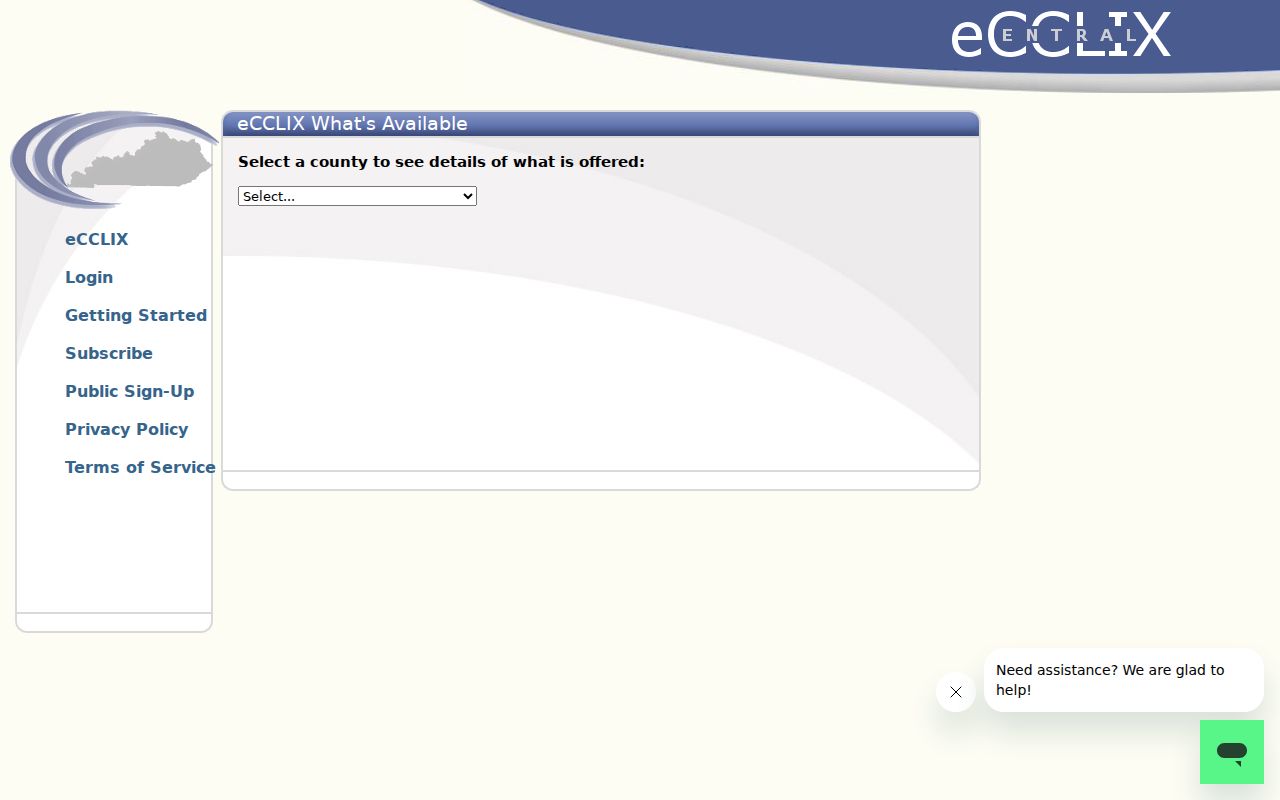
That listing alone does not fix the county's earliest online deed or image year. The clerk stays the authority on coverage.
| Ownership source | Verified reach | Access point | Best historical use |
|---|---|---|---|
| Recorded deeds and index | Office records date to 1820; online cutoff unverified | Clerk office or paid eCCLIX access | Grantor-to-grantee transfers and prior references |
| Deed books on microfilm | Roll-specific dates | John L. Street Library and KDLA inventory | Earlier deeds beyond convenient web access |
| Recorded plats | Book-specific | Clerk plat books and planning files | Lot, section, parent tract, roads, and dedications |
| Tax and order books | Volume-specific | Library microfilm and archives | Corroborating occupancy, assessment, and court clues |
Give the chain table one row per actual transfer. Never fill a missing hop with a name from the tax roll. Tax books can show who was assessed in a given year. They do not prove title changed hands. Only the deed, qualifying affidavit, commissioner deed, or other title-affecting instrument documents the transfer itself.
Build a Trigg Deed Timeline
A useful former-owner log tracks the land rather than a sample person. No live parcel chain is reproduced here, so no names, dates, or book references should be invented. Build the table from the actual instruments you retrieve at the clerk's office or through eCCLIX, and keep each source's exact wording and punctuation.
| Transfer date | Grantor to grantee | Instrument | Record reference |
|---|---|---|---|
| Newest verified deed | Copy names exactly | Warranty, quitclaim, commissioner, or other type | Instrument number or book/page |
| Prior acquisition | Search the newest grantor as grantee | Copy the stated deed type | Follow the prior-deed citation |
| Parent-tract transfer | Reconcile predecessor parties | Deed, plat, probate, or court instrument | Record the stop reason and next source |
Also record the consideration when stated, plus attached exhibits, the return address, the plat reference, and phrases like “being the same property conveyed by.” Those details often expose the next hop after a plain name query fails.
Walk Trigg Ownership Backward
Run the backward chain through the eCCLIX land-record service when online access helps, or inspect records free at the clerk's office. The recorder may not support a dependable street-address search. Names, legal descriptions, subdivision and lot terms, prior references, and instrument types work better as keys.
- Retrieve the newest deed and capture both parties, the legal description, date, and record citation.
- Take each grantor from that deed and search the same name as a grantee before the transfer date.
- Follow every cited prior deed, plat, survey, restriction, easement, or parent-tract reference.
- Repeat until the description changes or the chain reaches probate, court action, patent material, or an older book.
- Move to the clerk's public books, library microfilm, or KDLA roll inventory when online access stops.
Try initials, suffixes, married names, entity punctuation, “et al.,” and trust forms. Search every grantor and grantee on a multi-party deed. One skipped variant can make a sound chain look broken.
- Grantor
- The party that conveyed an interest in the recorded instrument.
- Grantee
- The party that received the stated interest.
- Chain of title
- The ordered sequence of instruments that affected ownership.
- Reverse index
- An index organized by grantor, useful when tracing transfers away from an owner.
- Warranty and quitclaim deeds
- Different deed forms whose legal effect must be read from the actual instrument.
Match Trigg Legal Descriptions
Street addresses are weak historical anchors. Trigg deeds often describe a subdivision lot by boundaries, roads, watercourses, surveys, adjoining owners, and earlier conveyances. Larger tracts get the same treatment. A split, combination, or new plat can change acreage and parcel identifiers. The land still ties back to an older parent tract.
When the current lot name vanishes, find the recorded plat. Follow its original tract deed book and page. Planning applications for Cadiz-Trigg subdivisions request that parent-deed reference, acreage, number of lots, surveyor, and preliminary or final status. Those fields make the planning file a useful bridge. The recorded plat and deed still carry the evidence.
Lake Barkley-area descriptions may lean on water or tract calls instead. Compare each old description against the new deed, plat, and survey references. Check the roads, access rights, and easements too. Never treat a mailing address as a legal boundary.
Note: Preserve old APN punctuation and legal wording before drafting a normalized copy for searches.
Trigg Estate Chain Detours
Ownership does not always move through a routine sale. Search for wills and affidavits of descent. Look for executor or administrator deeds, commissioner deeds, court orders, survivorship instruments, and later heir conveyances. The clerk's instrument inventory covers wills, affidavits supporting title and descent, and commissioner deeds.
A court file can explain a transfer, but it belongs beside the land record. The Trigg Circuit Clerk keeps local Circuit, Family, District, and Business Court files. CourtNet serves as an index and context layer. A will or order may name heirs or authorize a sale. Yet the recorded deed or affidavit that follows is often the land-record event that completes the chain.
Record the case number, fiduciary, dates, parcel description, order, purchaser, and final deed reference. If the court file and the recorded chain disagree, mark the question unresolved.
Trigg Owners Beyond Web Indexes
Paper trails answer what web indexes miss. The John L. Street Library keeps microfilm of Trigg deed, tax assessment, order, and will books. Its reels also hold selected Cadiz Record issues from 1905 through 1908, 1911, 1933 through 1941, and 1946 through 1972. Tax-sale and subdivision clues surface there. Verify each notice against a recorded instrument.
The Kentucky Department for Libraries and Archives microfilm catalog is an inventory. It is not an image viewer. Search by county, court or agency, record type, and date. Open the roll entry and write down its identifier. Then arrange access or submit a request. KDLA's published schedule lists a nonrefundable $20 in-state search and copy fee, plus possible scan, photocopy, postage, and tax charges, and many requests take four to six weeks.
These fallbacks make the 1820 record claim workable. House-history and estate researchers get a clear next move without pretending every early Trigg County page sits online.
Tax Books Are Trigg Clues
Historic tax books are Trigg County's quiet workhorses. An assessment can show whether a name carried land in a given year. That matters most around a suspected transfer, death, subdivision, or gap in the deed index. An assessment is still not a conveyance. The person assessed may reflect billing timing or estate administration. Sometimes the name is just an old roll entry rather than the true owner.
Use the entry to narrow the date. Then return to the deeds and plats. Probate papers, court orders, and later releases fill out the picture. This separation prevents one common mistake. A run of annual tax names is not a complete list of former owners.
Keep the proof level clear. A tax book corroborates an assessment presence. A recorded title-affecting instrument documents the ownership event.
Trigg Records Keep Modernizing
Trigg County's records work keeps moving. The fiscal-year 2024 audit reported unspent balances from a KDLA local-records microfilming grant and a Department for Local Government e-recording grant. The figures point to ongoing work, not results. No audit line proves a given deed book is digitized or viewable in eCCLIX. Check the current portal. Ask the clerk about the format of the volume you need, and confirm any subscription cost before buying, since vendor and local prices conflict in the postings. The courthouse counter remains the dependable fallback.
How Far Trigg Ownership Goes
Trigg County was formed in 1820. The clerk dates local land instruments to that year. Treat 1820 as the office starting point, not a promise about online images. No published cutoff marks where eCCLIX coverage begins. Early plats, parent-tract deeds, patents, probate materials, and surveys may push a search toward a different source or method.
No courthouse fire or destroyed-book event is on record. Do not fill a missing hop with folklore. Instead, record the last confirmed instrument, the description being followed, each name variant tested, the repository checked, and why the search stopped. The KDLA records-request service and the clerk answer a narrow book, page, roll, and date request far better than an open-ended name inquiry.
Lawful use. Former-owner research supports house history, estate work, and property diligence. Never use public records to stalk, harass, or harm a living person.