
Deed Types in Trigg County
Every Trigg County deed record starts with an instrument. The instrument is the paper filed to convey or burden an interest in land. The County Clerk records far more than the standard sale deed. Correction deeds, condominium and master deeds, land contracts, restrictions, easements, mortgages, releases, liens, plats, surveys, wills, powers of attorney, and affidavits of descent all sit in the official inventory. So a title trail can hide outside anything titled deed. Pull the cited instruments, exhibits, and plats rather than trusting a label. Each deed has its own text. Read it against the chain around it. That decides what the filing actually does.
| Instrument family | Effect in the record | Question it answers |
|---|---|---|
| Warranty or conveyance deed | Transfers the stated land interest | Who conveyed the parcel? |
| Correction or release deed | Corrects or releases an earlier filing | Did a later record change the first one? |
| Commissioner or estate instrument | Documents a court or death-related transfer | Why did the chain leave a routine sale path? |
| Plat, survey, easement, restriction | Maps or burdens the described land | Which map or right runs with the tract? |
Labels mislead. A correction deed may fix a legal description, and an affidavit may settle a descent. Read each deed against its full chain before drawing conclusions.
Trigg Deed Records Since 1820
The Trigg County Clerk's recording page reports land instruments dating to 1820. They are open to public viewing in the office. That year matches the county's formation. Treat it as a local starting point, not a promise of online coverage. Older deeds often live in books, microfilm, or archival rolls. No web result may surface for them. The Clerk sits at 38 Main Street in Cadiz, and the real-estate line is 270-522-6661. Bring owner name variants, an approximate date, and a parcel number. Include a subdivision or parent tract. Any book/page already in hand helps too. Office inspection is the direct fallback when the online deed index comes up empty. Note: The earliest Trigg eCCLIX index and image years are not published. No online cutoff should be inferred from that.
Trace Trigg Grantors and Grantees
A grantor conveys the interest. The grantee receives it. A chain of title strings those recorded transfers together for the same land. Begin with the newest reliable deed, then work backward through its prior reference and legal description.
- Record the newest deed's grantor, grantee, date, number or book/page, and legal description.
- Search each grantor as a grantee before that date, testing initials, middle names, and entity forms.
- Follow each prior-deed reference plus every plat, survey, restriction, or parent-tract citation.
- Repeat until the description changes or the trail enters an older book, probate file, commissioner deed, or archive.
- Grantor
- The party who conveys the stated interest.
- Grantee
- The party who receives the stated interest.
- Chain of title
- The linked sequence of recorded transfers.
- Book/page
- A volume and page citation for a recorded instrument.
- Instrument number
- A unique recording reference assigned by the clerk system.
Search Trigg Deeds Through eCCLIX
The Clerk links eCCLIX as its online land-record vendor. The availability selector includes Trigg County. Local coverage dates and live deed rows are another matter. Confirm address search, historical images, and year coverage against the county's own results before relying on any of them. The vendor advertises county selection, document viewing, printing, monthly access, and a 24-hour option. Pricing tells a murkier story. The vendor lists $75 monthly per county and $15 for 24-hour access. The Clerk's page carries older figures of $65 monthly and $45 for a first-county single day. Setup and added-user charges differ too. Confirm costs with the vendor before paying. The eCCLIX availability screen is the place to test what Trigg coverage exists.
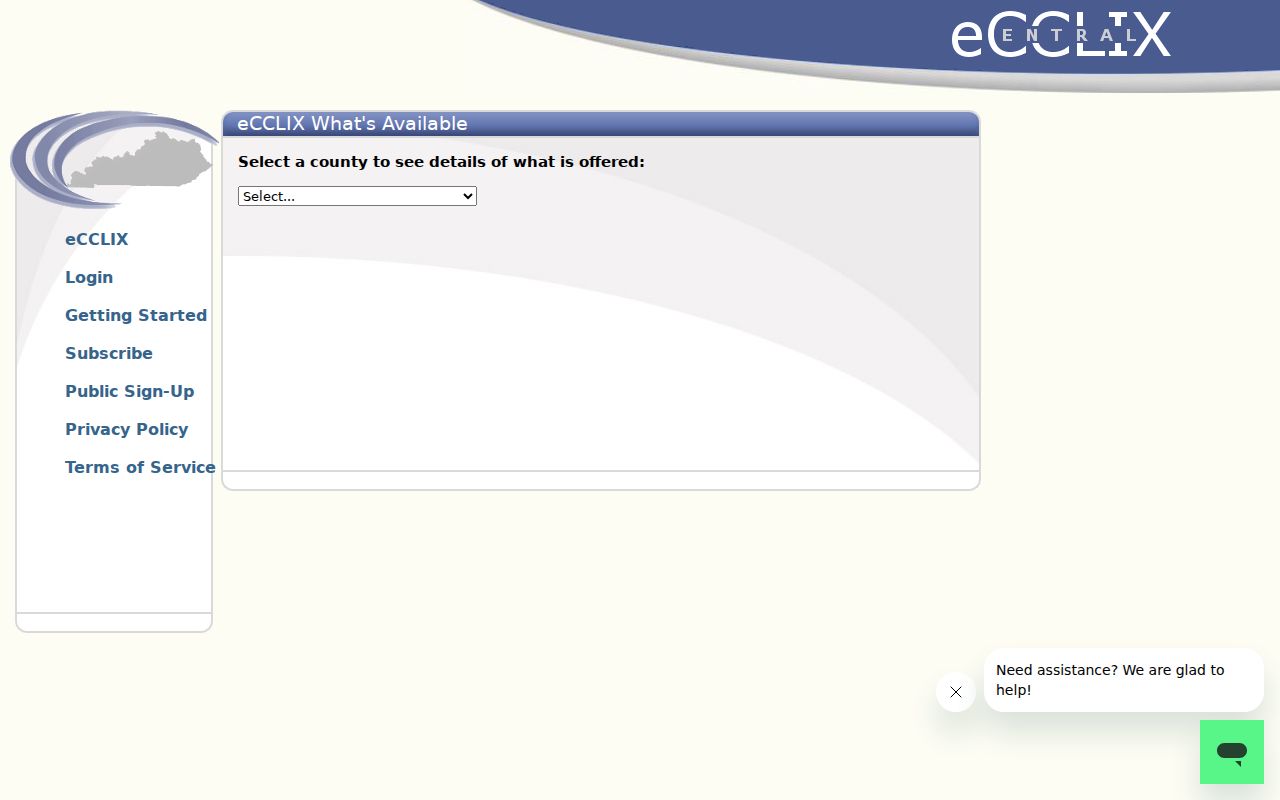
The distinction keeps paid online use separate from free in-office inspection.
Capture Every Trigg Deed Field
A reproducible deed search preserves more than buyer and seller names. Record the instrument number, book/page, recording date and time, type, each party and role, legal description, consideration when stated, tax-bill address, return address, notary, prior deed, plat citation, and exhibits.
KRS 382.135 addresses full names, mailing addresses, consideration, and tax-bill-address information. KRS 382.110 and KRS 382.210 cover recording and index structure. These fields provide strong keys for the next record, though their presence alone does not settle title.
- Match the legal description, not only the street.
- Write down all prior-record citations.
- Check attached plats and exhibits.
- Separate execution from recording date.
- Preserve a party's capacity, such as trustee or executor.
Beyond Trigg County Deeds
Ownership history often turns on documents filed beside the deeds. Search mortgages and assignments first, then hunt the releases. Easements, restrictions, leases, lis pendens, judgment liens, mechanic's liens, tax liens, powers of attorney, and affidavits belong in the sweep. Tie each of them to the same names and legal description. Each record type does different work. A mortgage conveys no ownership, and a release may clear an earlier claim. Lis pendens signals litigation in progress. A plat maps lots or a subdivision while the deed states the interest conveyed. Define every record by its role before adding it to the chain. Search Trigg County deed records by instrument family, not by name alone. A name-only query misses plenty. A restriction may be filed under a subdivision name. A release may be filed under a lender.
Older Trigg Deed Books and Microfilm
The John L. Street Library holds Trigg deed books on microfilm. Tax assessment books, order books, wills, and selected Cadiz Record runs are there too. Its genealogy unit counts more than 1,000 books plus a microfilm reader and printer. A tax book shows who was assessed. The deed trail, not the tax roll, documents the conveyance itself. The KDLA microfilm catalog searches by location, court, agency, type, and date. It inventories rolls rather than displaying images. Note the roll ID, then arrange access or request a copy. KDLA charges a nonrefundable $20 in-state search and copy fee, with possible added charges. Many requests take four to six weeks. This office-library-archives chain matters. Local land records begin in 1820, and the online cutoff is unknown.
Order a Trigg County Deed Copy
Start with one exact instrument. A book/page or instrument number beats a broad name request, since it cuts down same-name mix-ups in Trigg County deed records. Fees come straight from the Clerk's schedule. Certified copies run $5 plus $0.50 per page once a copy passes three pages. The schedule also prices deeds and easements at $50, many correction or release filings at $46, plats and surveys at $50, and mortgages at $80 with an overage after 30 pages.
Confirm the fee before you order or file. Ask whether the copy is plain or certified, how many pages it runs, and whether an exhibit or plat gets billed separately. Office inspection stays public and free. Even so, eCCLIX may charge for its access.
Before any copy request or new filing, consult the official Trigg recording-fee screen for the current figures.
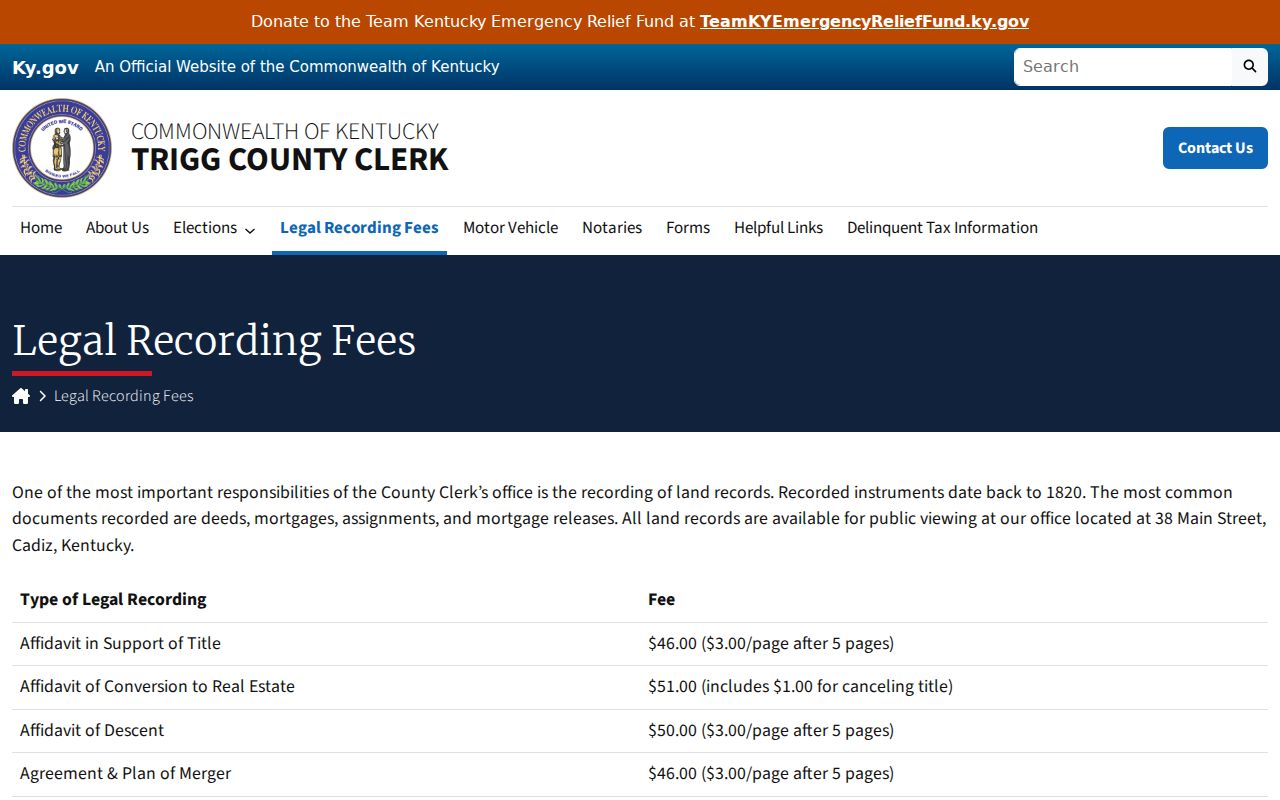
Copy charges and instrument filing fees sit in separate rows on the schedule. Recheck it when you actually make the request.
Recorded is not guaranteed title. A Trigg County deed supplies public evidence, but it is not a title opinion and may not reveal every unrecorded interest.
Monitor New Trigg Deed Filings
The Clerk links Doc Alert, a free alert tied to a single county. Its form first asks whether the subscriber watches a business or a trust. It then collects the county and the name parts or entity form. It also gathers confirmations and an email address. Matching is exact, per the FAQ. Each account may set up five subscriptions a day. Spell the name exactly as it appears in Trigg County deed records. Give initials, punctuation variants, and trust or entity names their own slots. Nothing slips past the exact-match rule that way.
An alert reports only a party name and the county. Treat it as a prompt to review the deed records. It is not proof that title changed hands. The Doc Alert signup screen displays the county and name intake fields.
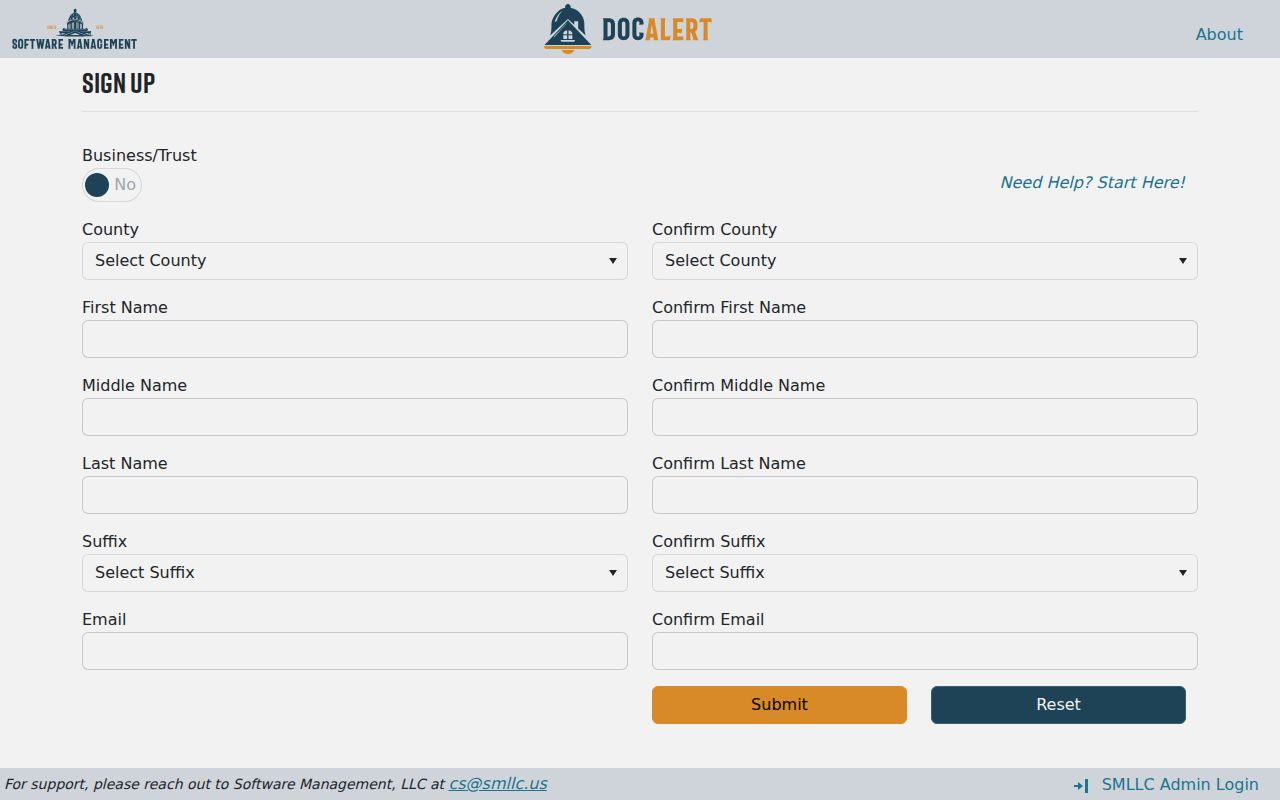
The recorded image and Clerk index remain the evidence to inspect.
Trigg Probate and Plat Detours
A clean grantor-to-grantee chain can snap without warning. Land often moves through an estate, a court order, a subdivision, or a parent tract. The owner of record you expect may never show up as an ordinary grantor. Widen the search. Wills, affidavits of descent, executor deeds, and commissioner deeds all bridge the gap. The Trigg Circuit Clerk holds the related files. The court file supplies the story. The recorded deed or affidavit is what ties that event to the land index.
Subdivision lots call for a different detour. Copy the current legal description first, then chase its plat book/page and prior-deed reference. The joint planning application itself asks for the original tract deed book/page, the acreage, the lot count, and the surveyor. That shows how much those keys matter. Follow them behind the lot's creation. They lead back to the parent tract. They also surface access, restriction, or common-area instruments recorded under the subdivision's or developer's name rather than the owner's.
Do not press tax books or newspaper notices into service as a deed. Tax rolls can corroborate who was assessed, and a notice may describe a sale event. But only the recorded conveyance belongs in the title chain.
Request Missing Trigg Deed Records
Sometimes eCCLIX shows no usable image. Then contact the Clerk with a narrow citation: Trigg County, the instrument type, grantor and grantee spellings, an approximate recording year, the book/page or instrument number, and the parcel's legal description. Ask whether staff can inspect, copy, or certify the item, and whether an exhibit or plat is stored separately.
Older volumes need extra care. Note the series and date before checking the library or the KDLA inventory. Kentucky's Open Records Act also offers a written request path for identifiable public material you cannot reach any other way. Remember that online coverage stops at a cutoff year. A missing row in the index does not mean no Trigg deed exists.