
Identify a Trigg Property Owner
Finding a Trigg County owner of record works best as four stops. The first turns an address into a parcel key. The second pulls a dated owner from the assessment roll. The third checks the recorded conveyance. That deed is the strongest evidence of who holds title now. Write the parcel number and legal description beside every name you collect. A shared surname or a neighboring tract can otherwise slip in as a false match.
- Enter the street address through the Trigg County PVA search link. If the local screen does not load, ask PVA staff to identify the parcel.
- Copy the parcel number, ownership name, situs, mailing address, tax year, and legal-description clues. Search the parcel ID separately to test the match.
- Use the name and land description at the Trigg County Clerk or eCCLIX. Find the newest deed or other title-affecting instrument.
- Compare grantee, recording date, parcel description, and prior-deed reference. For an entity, normalize its name in Kentucky's business filing search.
Start With Trigg PVA Ownership
The PVA is the natural first stop for a Trigg property search. It organizes land by parcel. Its official site connects to Property Search, Subscription Search, and downloadable forms. The qPublic interface behind it supports several modes. These include search all, name, address, parcel ID, and alternate ID. Typical vendor columns include Parcel, Alternate ID, Address, Ownership, City, Area, State, ASV, Ref Num, and STR. Those fields can look sparse at first glance. The generic entry point displays these search modes clearly. It is not a Trigg County parcel card, though. Local field labels, card year, update schedule, and sale-history display vary by county. So treat the vendor screen as a starting point rather than the record itself.
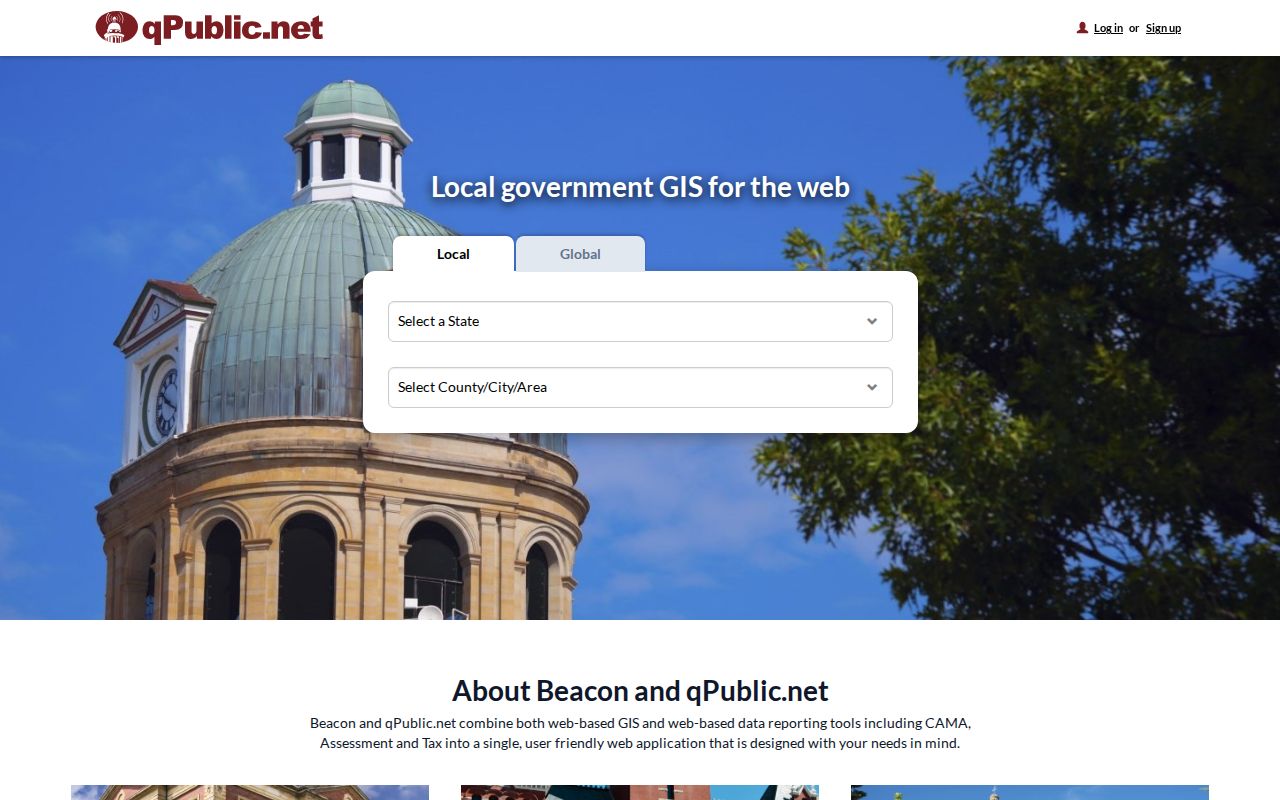
Use the interface to spot a candidate owner of record. Then date the result. Confirm it with the Clerk before relying on it. A parcel card that will not load is a reason to call the PVA, never grounds for assuming no owner record exists.
January Can Split Trigg Owner Answers
Kentucky Revenue sets January 1 as the date that controls the assessment roll. A deed recorded after that day can leave the old owner on the roll. The old name can stay there all tax year. The tax bill may even list the buyer in care of the seller. Execution and recording dates can differ too. So a clean answer in Trigg County carries three dates. Note the execution or closing date, the recording date, and the assessment effective date. Here is the local myth to avoid. A tax-roll name can be perfectly accurate for its assessment date. It may still be yesterday's grantee. When the PVA and the deed disagree, describe the conflict. Ask the PVA or the Clerk which date controls your question.
Where Trigg Ownership Is Recorded
No single record carries every meaning of ownership. The parcel-based roll answers who is assessed. The deed answers who received an interest, and entity filings identify the business behind a name. A source table that separates the three keeps each answer honest.
| Where Ownership Is Shown | What It Gives | How Current |
|---|---|---|
| Trigg PVA roll | Parcel, ownership name, mailing and situs clues, assessment year | January 1 assessment snapshot; local refresh not verified |
| Clerk land records | Grantor, grantee, legal description, recording date, deed reference | Newest recorded title-affecting instrument found |
| Kentucky SOS | Entity status, organization number, registered agent, filing images | Current and founding filing data, not land title |
| Tax bill | Tax-year name and mailing or in-care-of treatment | Bill-specific; can reflect assessment timing |
An owner of record is not the same as an occupant. A registered agent for an LLC does not become the landowner just by receiving legal mail. Title follows the deed, and the deed must vest the parcel in the named person, trust, estate, or entity before any name counts.
Trigg Owner Terms in Context
A handful of record terms prevent expensive mistakes. Read each one alongside the source date and the parcel identity, never as a free-standing label.
- Owner of record
- The party named as owner in a stated public record, often the dated PVA assessment roll.
- Grantee
- The party receiving the interest in a deed or other conveyance.
- Title
- The legal rights in land; a public owner lookup is evidence, not a professional title examination.
- Situs address
- The location assigned to the parcel itself.
- Mailing address
- The address used for owner or tax correspondence, which may be elsewhere.
These distinctions matter locally. A Cadiz mailing line does not place a property inside city limits, and a mailing address never proves where a Trigg County owner actually lives.
Trace Trigg Entity and Estate Names
A deed may name an LLC. Search the exact legal form in the Kentucky Business Entity Search. The tool accepts name or ID queries and offers an active-only filter. The state lists current and founding officers, registered agents, and filing scans. Use those facts to understand the entity. Then return to the deed. Officers and agents are not automatically title owners. Trusts and estates deserve the same care. Search the recorded capacity, name variants, affidavits of descent, wills, executor or commissioner deeds, and related court records. A death certificate or will explains an event. But only the relevant deed, affidavit, survivorship instrument, or court order actually conveys the land.
Watch Future Trigg Name Events
Doc Alert is a free county-specific service that watches for recorded-name matches. It will not tell you who owns a parcel today. What it can do is flag a later document. The filing is under an owner, trust, or entity name. The service FAQ covers exact matching, name variants, and a five-name-per-day signup limit. Subscribe to every form the index might use. That means the full individual name. It also means the middle-initial version. Add the trust or entity name and useful punctuation variants. An alert only starts a document check. It establishes neither the parcel, the instrument's effect, nor title by itself.
When Trigg Owner Search Fails
Online access stays uneven across Trigg County. The PVA site is challenge-protected, and eCCLIX does not publish Trigg's exact online cutoff. The Clerk states that land instruments date to 1820 and can be viewed publicly at 38 Main Street in Cadiz. Its real-estate telephone is 270-522-6661, and listed weekday office hours are 8 a.m. to 4 p.m.
Bring the parcel number, situs, owner variants, approximate date, subdivision or parent tract, and any book/page reference. Ask for the newest relevant conveyance plus later title-affecting instruments. Older links lead to the John L. Street Library and the KDLA microfilm inventory. A blank web result never proves the owner of record is missing.
Match Trigg Names to Land
Name searches in Trigg County sprawl. Run the owner last-name-first, then flipped, with any middle initial or suffix. Test former names, trust wording, and business punctuation, too. Search “et al.” where records use it. Then run the address and parcel number alone. The goal is proving that one legal party and one tract appear together in the dated PVA and Clerk sources.
A legal description often beats a street line here. Trace a lot and block back to its plat. Or follow a metes-and-bounds tract through its roads, creeks, adjoining owners, and survey calls. When a newer subdivision lot searches poorly, the planning application may point to the parent deed book and page. That parent reference links the current parcel to earlier recorded instruments in the Trigg County deed records without turning a simple owner lookup into a full chain of title.
State Trigg Ownership With Dates
A solid conclusion names the result and its limits. Record the parcel number, the situs, the owner spelling, the source label, and the source date or tax year. Add the latest instrument number or book and page, the recording date, and the matching legal-description clue. Note whether the tax bill uses an in-care-of address. Also flag any unresolved probate, court, or tax-sale record.
Confidence runs high when everything agrees. The newest recorded instrument, the parcel card, the address, and the description should match, with no unexplained later filing. A lone PVA name or index row means less. Describe that result as an assessment-roll owner or an index candidate, and never strip away the date that gives the claim meaning.
Limits of a Trigg Owner Lookup
No owner lookup proves who lives on the land. It also cannot rule out an unrecorded claim. Nor can it confirm that every lien, easement, restriction, probate event, and court order has been resolved. Kentucky's Safe at Home program can shield an address. Its compliance guidance still treats real-estate holdings as publicly addressable. Public access never grants a right to misuse a person's information.
Lawful use. A Trigg County owner name from the roll is not a title search. Use owner records for lawful property research, never to harass, intimidate, or harm anyone.
The strongest answer stays modest and dated. Identify the parcel, state the owner each official source shows, give the source date, and disclose any unresolved mismatch.